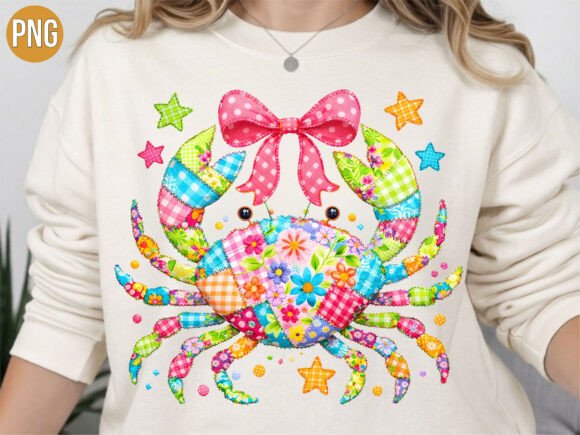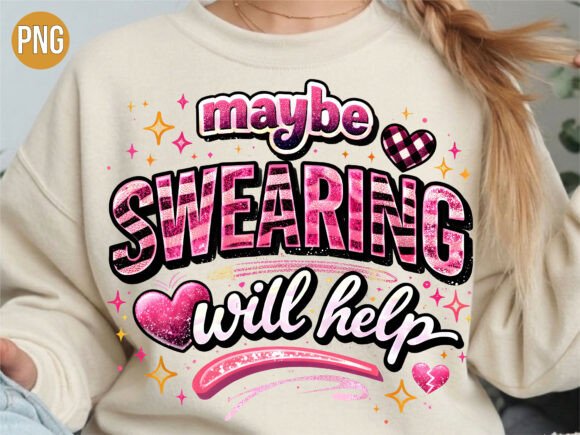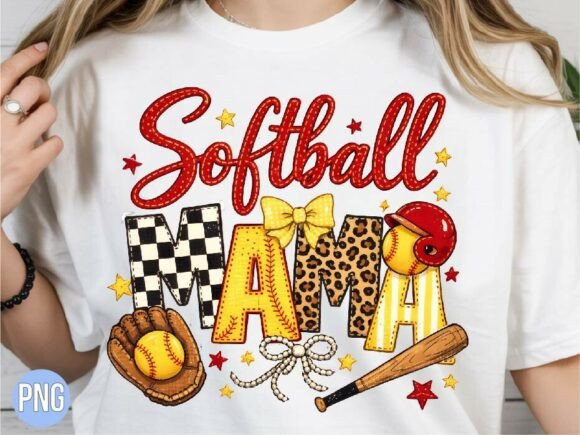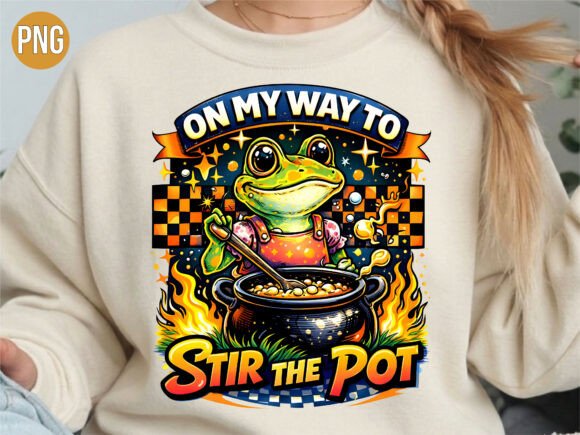
Understanding the Feeling Cute Might Destroy All Later PNG Design
In the evolving landscape of digital content creation and print-on-demand entrepreneurship, the selection of graphic assets plays a pivotal role in project success. One specific asset that has garnered attention is the Feeling Cute Might Destroy All Later PNG. This digital design file offers a blend of humor and aesthetic appeal, making it a versatile option for creators looking to produce unique merchandise. However, before integrating this asset into your workflow, it is essential to understand its technical specifications, practical applications, and the considerations necessary for optimal use.
What Is the Feeling Cute Might Destroy All Later PNG?
The Feeling Cute Might Destroy All Later PNG is a high-quality digital graphic designed for immediate integration into various creative projects. At its core, it is a raster image file formatted as a Portable Network Graphic (PNG). The defining characteristic of this format, particularly in this context, is its transparent background. This transparency allows the design to be layered seamlessly over different colors, textures, and materials without the obstruction of a white or colored box surrounding the artwork.
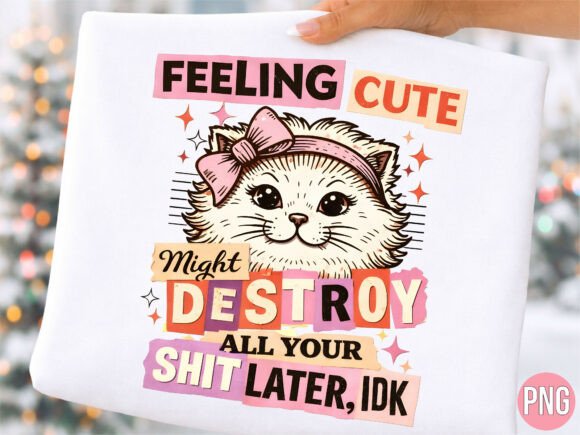
The design itself typically features playful typography combined with illustrative elements that convey a lighthearted, slightly chaotic, or humorous sentiment. The phrase "Feeling cute, might destroy all later" resonates with internet culture, appealing to audiences who enjoy self-deprecating humor or whimsical contradictions. For designers and sellers, this means the asset is not just a visual element but a cultural signifier that can connect with specific demographic groups.
Technical Specifications and File Integrity
When evaluating digital assets, technical quality is paramount. The Feeling Cute Might Destroy All Later PNG is provided at a resolution of 300 DPI (dots per inch). This specification is critical for anyone intending to use the design for physical products. Standard web images are often 72 DPI, which appears pixelated and blurry when printed. A 300 DPI resolution ensures that the edges of the text and graphics remain sharp and professional, whether printed on a small sticker or a large pillowcase.
The file is delivered in a ZIP folder. This compression method is standard for digital downloads to ensure faster transfer speeds and data integrity. Users must unzip or extract the folder before attempting to access the PNG file. Failure to do so may result in confusion or errors when trying to import the image into design software. It is also crucial to verify that your chosen editing or design platform supports PNG files with transparency. While most modern software, including Adobe Photoshop, Canva, Procreate, and Cricut Design Space, handles these files effortlessly, older or more basic programs may not preserve the transparent background, potentially requiring additional editing steps.
Practical Applications and Use Cases
The versatility of this design makes it suitable for a wide array of Print on Demand (POD) and DIY projects. Understanding where this asset fits best can help creators maximize its value.
- Apparel: The design is ideal for t-shirts, hoodies, and tank tops. The transparent background allows it to be printed on dark or light fabrics without manual color removal.
- Home Decor: Items such as throw pillows, wall art prints, and blankets benefit from the high-resolution clarity, ensuring the text remains legible and crisp.
- Accessories: Mugs, tumblers, and tote bags are popular choices for this type of humorous graphic, appealing to gift buyers looking for personalized or witty items.
- Paper Goods: Stickers, greeting cards, and scrapbook elements can utilize the PNG for precise cutting and layering, especially when used with cutting machines like Cricut or Silhouette.
For small business owners, this asset reduces the time required to create original artwork from scratch. Instead of hiring a illustrator or spending hours on typography, creators can focus on product placement, marketing, and customer service.
Evaluating the Benefits and Tradeoffs
Like any digital resource, the Feeling Cute Might Destroy All Later PNG comes with both advantages and limitations. A balanced evaluation helps in determining whether it aligns with your specific goals.
Benefits:
- Time Efficiency: Immediate usability allows for rapid product listing and testing.
- Professional Quality: The 300 DPI resolution meets industry standards for printing, reducing the risk of customer complaints regarding image quality.
- Cost-Effectiveness: Purchasing a single-use or limited-license digital file is generally more affordable than commissioning custom work.
Tradeoffs and Considerations:
- Lack of Exclusivity: Since this is a pre-made digital file, other creators may purchase and use the same design. This can lead to market saturation if the design becomes overly popular. To mitigate this, creators should consider adding unique elements, such as background patterns, additional text, or complementary graphics, to differentiate their final products.
- Static Nature: As a PNG, the file is raster-based and not easily scalable beyond its original dimensions without loss of quality. Unlike vector files (SVG or AI), you cannot infinitely enlarge the image. Therefore, it is best suited for projects within the intended size range of the original file.
- Software Compatibility: Users must have access to software that can handle layered designs effectively. While PNGs are widely supported, advanced customization requires tools that allow for blending modes and color adjustments.
When to Choose This Design Versus Alternatives
Deciding whether to use the Feeling Cute Might Destroy All Later PNG depends on your project requirements. This asset is a strong fit if you are looking for a quick, high-quality solution for humorous or trendy merchandise. It is particularly effective for targeting younger demographics or audiences active on social media platforms where such memes and phrases are prevalent.
However, alternatives may be worth considering in certain scenarios. If you require a design that needs to be scaled to very large formats, such as banners or billboards, a vector file (SVG) would be a superior choice. Vector graphics maintain clarity at any size, whereas raster PNGs may pixelate if enlarged significantly. Additionally, if brand exclusivity is a primary concern, commissioning a custom illustration ensures that no other seller will have the identical asset.
For those engaging in sublimation printing, it is important to note that PNGs with transparency work well, but the color profile should be checked to ensure accurate reproduction on different substrates. Always perform a test print to verify color fidelity and placement before committing to bulk production.
Making an Informed Decision
Integrating the Feeling Cute Might Destroy All Later PNG into your creative toolkit can streamline your production process and enhance your product offerings. By understanding the technical requirements—such as the need to unzip the file and ensure 300 DPI compatibility—you can avoid common pitfalls associated with digital downloads.
Ultimately, the value of this design lies in its ability to convey a specific mood quickly and professionally. For creators who prioritize efficiency and trend-responsiveness, this PNG offers a practical solution. However, success in the competitive print-on-demand market also requires differentiation. Consider how you can contextualize this design within a broader collection or modify it slightly to add a unique touch. By balancing the convenience of pre-made assets with strategic customization, you can leverage this digital file to meet your creative and commercial objectives effectively.